How Roof Replacement in Succasunna, NJ Can Reduce Energy Bills
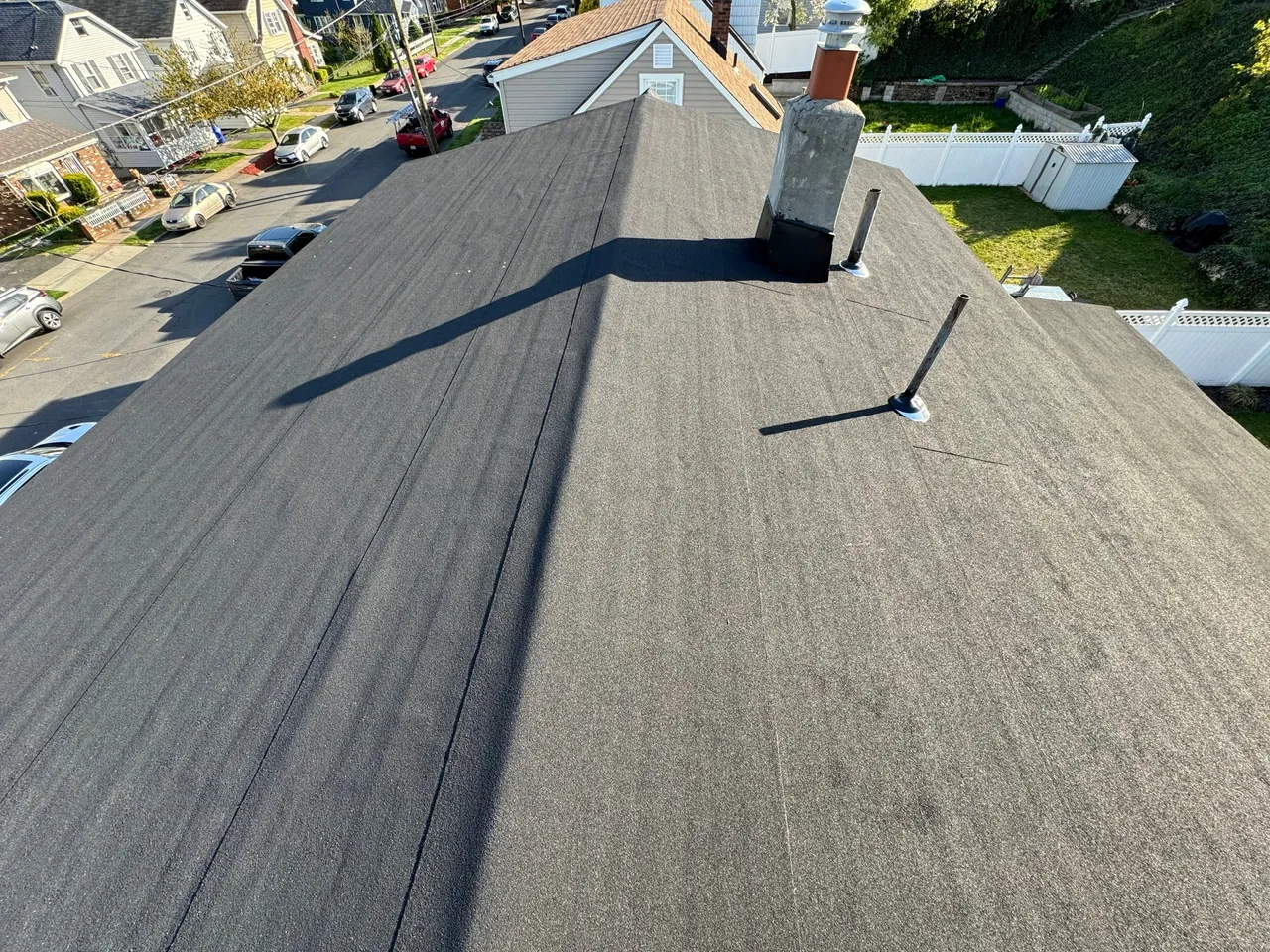
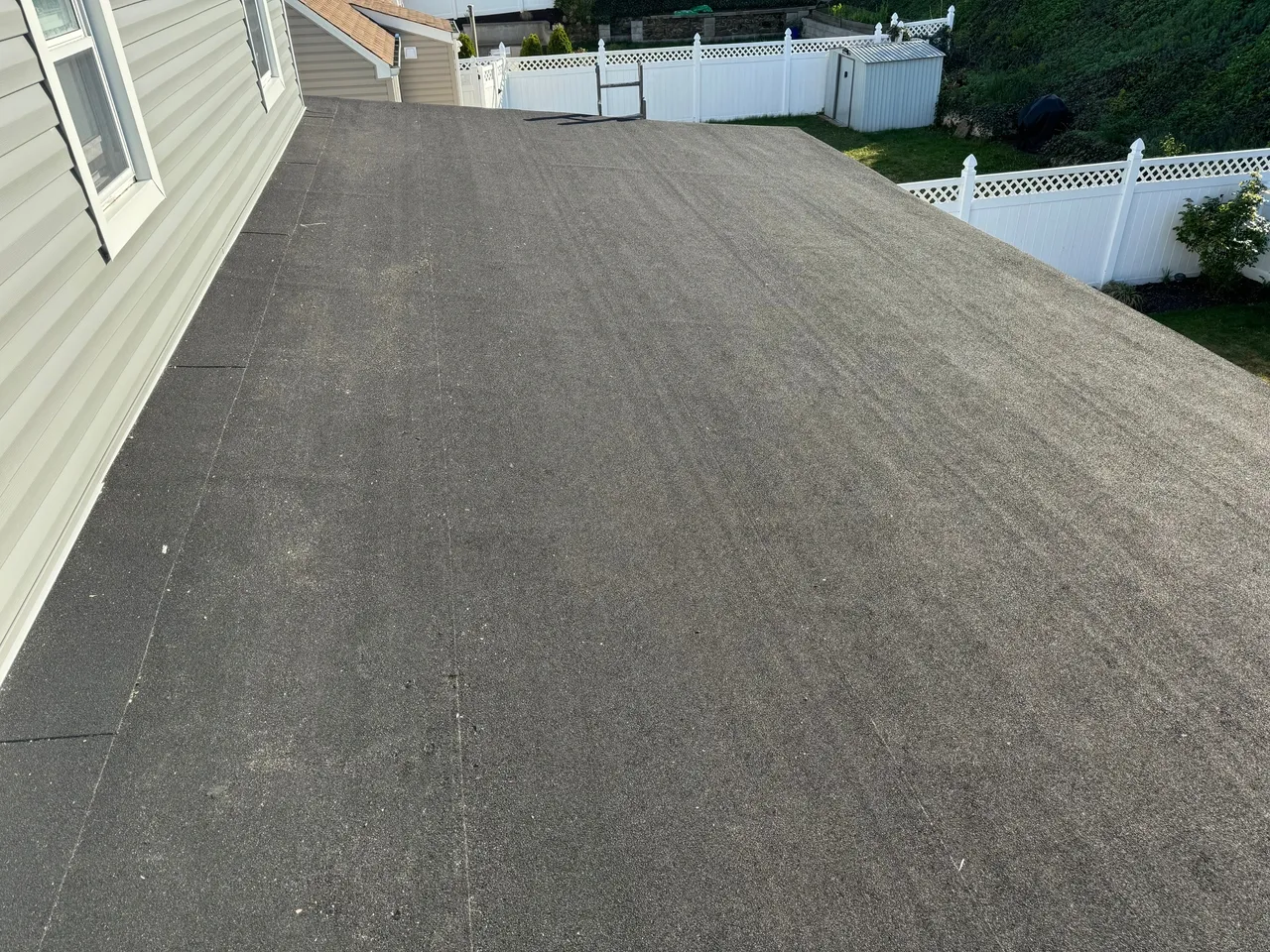
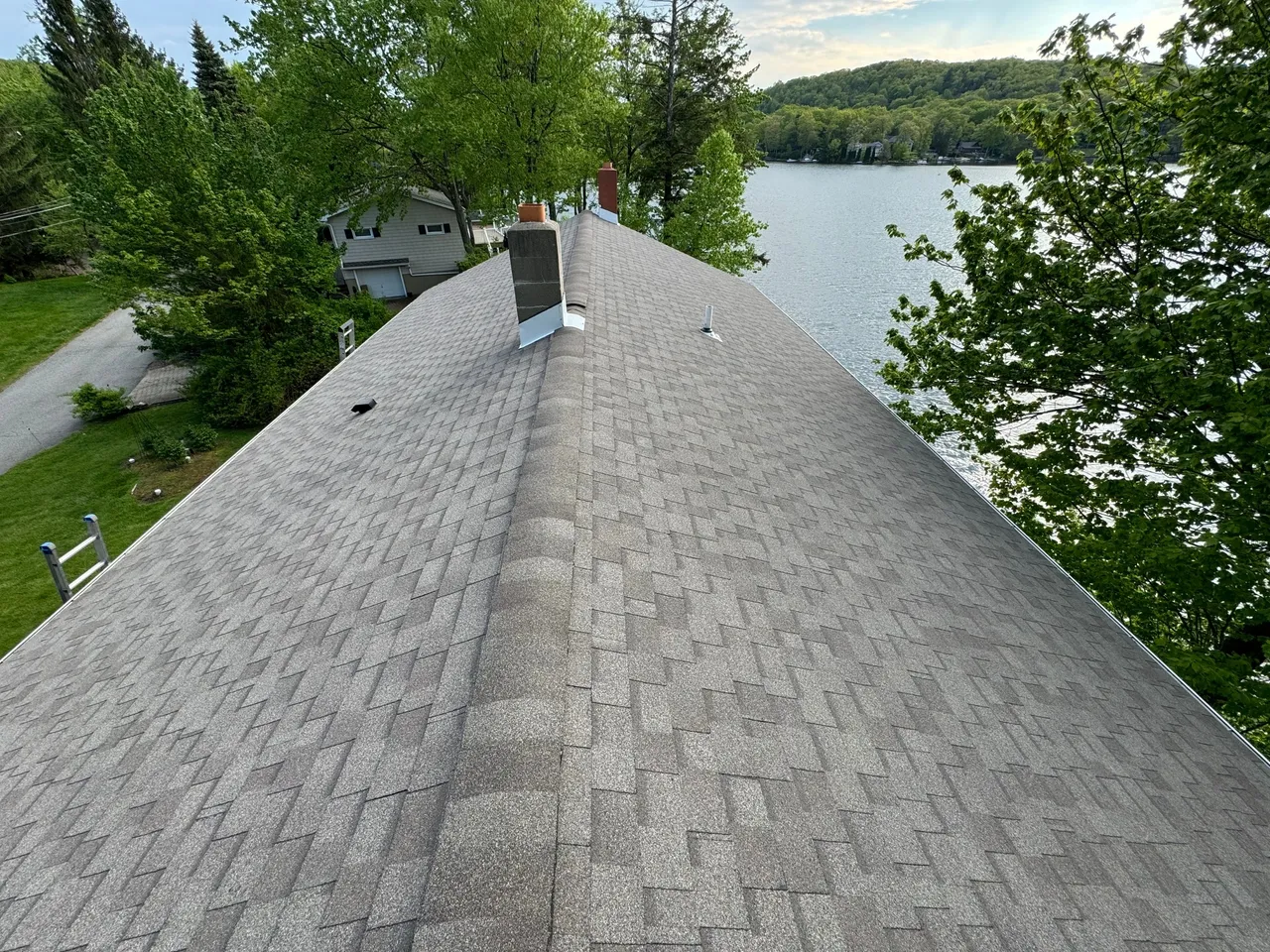
A roof does much more than keep rain out. In North Jersey, it also acts as a working part of the home’s thermal envelope, shaping how hard the furnace runs in January and how long the air conditioner labors through a humid August afternoon. When homeowners in Succasunna start looking at high utility bills, they often focus on windows, insulation, or HVAC equipment first. Those are all fair places to look. But in many houses, especially older ones, the roof assembly is quietly wasting energy every day.
That matters because roofs age in ways that are not always obvious from the driveway. A shingle can still look passable from the street while the underlayment, ventilation balance, flashing, and attic airflow are all underperforming. A well-planned roof replacement can correct those hidden issues at the same time, and that is where real energy savings often come from.
For homeowners considering Roof Replacement Succasunna, NJ, the biggest mistake is thinking only about shingles. Shingles matter, but the energy story is broader. Roof color, attic insulation levels, intake and exhaust ventilation, leak history, decking condition, and even how the roofline handles winter moisture all affect monthly operating costs. A replacement gives you one of the few chances to fix the whole system at once.
Why energy bills and roofing are connected
Heat always moves from warmer areas to cooler ones. In winter, your house tries to lose heat to the outdoors. In summer, it tries to gain heat from the sun and hot air outside. The roof sits right in the middle of that exchange.
On a sunny summer day, the surface temperature of a dark roof can climb far above the outdoor air temperature. If the attic is poorly ventilated and the insulation at the attic floor is thin or uneven, a lot of that heat works its way down into the living space. The air conditioner then has to remove it. In winter, the opposite problem often shows up. Warm indoor air leaks into the attic through light fixtures, plumbing penetrations, attic hatches, and top plates. That warm air escapes, the heating system runs longer, and snow on the roof can melt unevenly, creating conditions for ice dams.
A roof replacement by itself does not automatically solve all of that. A rushed tear-off and re-shingle job may leave the same weaknesses in place. But a thorough replacement can improve ventilation, address moisture pathways, replace damaged decking, and pair roofing upgrades with insulation and air-sealing improvements. That is when the utility savings become more than a sales pitch.
The local factor in Succasunna
Succasunna sees four real seasons, and roofs in Morris County have to deal with all of them. Summer brings heat, direct sun, and humidity. Winter brings snow loads, freeze-thaw cycles, and the kind of cold that exposes every little air leak in an attic. Spring and fall are not always gentle either. Wind-driven rain, temperature swings, and older tree-lined neighborhoods all add wear.
Those local conditions shape what makes a roof energy efficient here. In a hotter climate, reflective roofing might dominate the conversation. In Succasunna, reflective shingles can help in summer, but winter performance, moisture control, and ventilation balance deserve just as much attention. Homeowners do not need a roof designed for Phoenix. They need one built for North Jersey weather, with smart material choices and a contractor who understands how roofing, attic conditions, and insulation work together.
I have seen homes where the owner complained about steep cooling bills, only to find an attic that felt like an oven because there were a few undersized box vents and almost no soffit intake. I have also seen the winter version, where warm air pouring into the attic caused snow melt near the ridge while the eaves stayed frozen solid. In both cases, the old roof was not just old. It was part of an inefficient system.
The biggest energy advantages of a roof replacement
The clearest savings usually come from correcting several problems at once, not from one magic product. A replacement opens the roof up enough to make meaningful improvements.
Better ventilation lowers attic heat
Attic ventilation is often misunderstood. The goal is not simply to punch more holes in the roof. The goal is balanced airflow, usually with intake at the soffits and exhaust near the ridge. When that balance is right, hot air has a path out, and fresh air has a path in.
A badly ventilated attic can trap heat for hours after sunset. That stored heat radiates downward into the rooms below, especially in one-and-a-half-story homes or bedrooms tucked under the roofline. During replacement, contractors can assess whether ridge vents, soffit vents, or other exhaust options are properly sized and whether insulation is blocking intake at the eaves.
This is one of those details homeowners rarely see, but they often feel the result. Upper floors become less stuffy. The AC cycles more normally instead of running deep into the evening. The roof deck also stays healthier because excess moisture is less likely to linger.
Air leaks and insulation become easier to address
Technically, insulation is not the roof itself. But roof replacement often reveals where the building envelope is failing. If the decking is opened up or if attic work is happening at the same time, it becomes much easier to identify problem spots.
Common trouble areas include recessed lights, bathroom exhaust fans dumping into the attic, plumbing stacks, open chases around wires, and poorly sealed attic access panels. Warm air slips through these small gaps constantly. You pay to heat or cool that air, and then it escapes.
If a roofing contractor works in coordination with an insulation or weatherization professional, the result can be far better than either upgrade done alone. I would take a modest shingle upgrade plus solid air sealing over premium shingles installed on a leaky attic every time.
Modern materials can reduce heat absorption
Shingle technology has improved over the years. Some asphalt shingles are designed with more solar-reflective granules, even in medium or darker color ranges. Metal roofing can also reflect heat effectively, depending on coating and color. These improvements will not turn a New Jersey home into a net-zero building by themselves, but they can reduce attic temperatures enough to matter.
The key is realistic expectations. A more reflective roof can help trim summer cooling demand, particularly in homes with older attic insulation or second-floor rooms directly under the roof. It is less likely to transform winter bills. That is why material choice should be part of a package, not the whole strategy.
Moisture control protects insulation performance
Wet insulation does not insulate well. Once roof leaks or chronic condensation dampen insulation, its effective R-value drops, sometimes sharply. A roof replacement that fixes flashing issues, underlayment failures, and poor venting can help keep insulation dry and working as intended.
This point is easy to overlook because homeowners do not always connect a small leak stain in a closet ceiling with a higher heating bill. But moisture problems often spread beyond the visible stain. By the time a leak appears indoors, the surrounding materials may have been exposed for a while.
What parts of the new roof matter most
Not every line item on an estimate affects energy use the same way. Some are structural or weatherproofing essentials. Others have a more direct impact on utility costs.
Here are the components that usually matter most for energy performance:
- Balanced attic ventilation, with proper intake and exhaust
- Air sealing at attic penetrations and top-floor bypasses
- Adequate attic insulation, especially at the eaves and access points
- Quality underlayment and flashing to prevent moisture intrusion
- Roofing materials and colors that fit the home’s sun exposure and climate
Notice that shingles appear last on that list. They are important, but they are not the only story. I have watched homeowners spend extra for architectural shingles, then keep an attic hatch that leaks air like an open window. The roof looked great and the summer bedroom was still uncomfortable.
When a roof replacement is likely to save the most
Savings are usually strongest when the old roof has obvious functional problems or the attic setup is poor. If the current roof is already fairly new, well-ventilated, and paired with good insulation, the energy difference from replacement alone may be modest.
The homes that tend to benefit most include older colonials, capes, and split-levels with aging shingles, inconsistent attic insulation, or hot second floors. Houses with previous patchwork repairs also stand out. A patched roof can remain watertight for a while, but piecemeal work rarely corrects ventilation flaws or hidden deck damage.
One memorable example was a mid-century home with bedrooms over the garage and a partially finished upper level. The owners kept lowering the thermostat in summer, but the top floor still felt muggy at bedtime. When the roof was replaced, the contractor found blocked soffits, minimal exhaust, and sections of compressed insulation near the eaves. After ventilation was corrected and insulation was improved, the upstairs was not perfect, no older house ever is, but it was noticeably easier to cool and the AC runtime dropped enough for the owners to notice on the next few utility bills.
That kind of improvement is common when the roof project addresses underlying conditions. It is much less common when the job is treated as cosmetic.
Energy savings are real, but they vary
Homeowners often ask for a specific percentage. That is understandable, but honest answers require context. Energy savings depend on the size of the house, the existing insulation, the condition of the attic, the roof color, the orientation to the sun, the HVAC system, and even how the family uses the space.
In practical terms, some households may see only a modest reduction, especially if the old roof was functioning reasonably well. Others may see a more meaningful drop after replacing a failing roof and fixing major ventilation and air leakage problems. Summer savings can show up first, especially on second floors. Winter savings may be tied more to reduced air leakage and dry, effective insulation than to the roofing surface itself.
A good contractor should be comfortable saying that payback is not identical for every home. Be cautious with anyone promising dramatic bill cuts without inspecting the attic and asking about the existing insulation.
The role of roof color and material
Homeowners sometimes get locked into debates over dark versus light shingles. Color does matter, but not in isolation. A lighter roof generally reflects more solar radiation than a darker one. That can help reduce summer heat gain. Even so, a well-ventilated attic with decent insulation under a darker roof may outperform a poorly ventilated attic under a lighter one.
Asphalt shingles remain the most common choice in Succasunna for good reason. They are cost-effective, widely available, and familiar to local installers. Among asphalt options, some lines offer better solar reflectance than standard products. Metal roofing can perform very well too, particularly if installed with an appropriate underlayment system and chosen in a reflective finish. It typically costs more up front, so the decision is often about lifespan, durability, and aesthetics as much as immediate energy savings.
Slate and cedar have their own performance characteristics, but they are less common choices royaltyexteriorsnj.com Roof Replacement Succasunna, NJ for straightforward energy upgrades due to cost, weight, and maintenance considerations. For most homeowners in this area, the conversation comes back to good asphalt or metal, paired with proper ventilation and insulation work.
Don’t ignore ice dams, they are an energy warning sign
Ice dams are often treated as a roof nuisance. They are that, but they are also a clue. When snow melts unevenly because heat is escaping into the attic, you are losing energy through the roof assembly.
A replacement project is an ideal time to look at why the ice dams formed. Sometimes the culprit is inadequate insulation. Sometimes it is poor air sealing. Often it is both. Ventilation helps regulate roof deck temperature, but it cannot compensate for major heat loss from the living space below.
If your home in Succasunna has a history of icicles, frozen gutters, or water backing up under shingles near the eaves, do not frame that only as a drainage problem. It may be telling you that conditioned air is leaving the house and driving winter utility costs up at the same time.
Questions worth asking before you sign a contract
A roof estimate should do more than price out shingles and disposal. It should reflect how the home actually performs.
Ask these questions before moving forward:
- How will you evaluate attic ventilation and determine whether intake and exhaust are balanced?
- Will you inspect the decking for hidden moisture damage or air leakage pathways?
- Are there opportunities to improve attic insulation or air sealing while the work is being done?
- Which roofing materials are best suited to this home’s sun exposure and budget?
- Have you worked on similar homes in Succasunna with seasonal comfort or energy-bill concerns?
Those questions do two things. First, they reveal whether the contractor thinks like a system builder or only as an installer. Second, they help you avoid paying for a new roof that leaves the old performance problems untouched.
What a smart roof replacement plan looks like
The best projects are coordinated, not rushed. There is usually an inspection of the roof exterior, attic interior, ventilation paths, and any signs of prior leaks or condensation. The contractor should be looking for staining on decking, mold-like growth from chronic moisture, compressed or missing Roof Replacement Succasunna, NJ insulation, blocked soffit vents, and poor bathroom fan terminations.
From there, the plan should match the house. One home may need ridge vent added and soffit channels opened. Another may need targeted air sealing around penetrations before more insulation is installed. A third may benefit from higher-reflectance shingles because it has full sun exposure and chronic second-floor heat buildup.
This is also where budget judgment comes in. Not every home needs every upgrade at once. If the budget is tight, spend first on weatherproofing, ventilation correction, and air sealing. Those measures tend to deliver more practical value than cosmetic add-ons. If funds allow, then step up material quality or consider premium products that may improve durability and summer performance.
Signs your current roof may be costing more than you think
Energy waste linked to roofing does not always announce itself with a dramatic leak. Often the clues are smaller and easier to dismiss. A top floor that is always warmer in summer, cold drafts near ceiling fixtures, uneven snow melt, persistent attic stuffiness, and recurring moisture stains all point toward a roof and attic system that is not performing well.
Older homes are especially vulnerable because standards for ventilation and insulation were different when many of them were built. Even homes that had insulation added years ago may have gaps, settling, or blocked airflow at the eaves. If the roof is nearing the end of its life anyway, that is the moment to treat replacement as an efficiency project, not just a maintenance expense.
For homeowners researching Roof Replacement Succasunna, NJ, this is the practical mindset to keep. The roof is not just the top layer of the house. It is a major control surface for heat, air, and moisture. Replace it thoughtfully, and it can help lower utility bills, improve comfort, and reduce the wear on heating and cooling equipment. Replace it superficially, and the house may look better without performing much better.
The payoff is often comfort as much as cost
Monthly savings matter, but comfort is what homeowners usually notice first. A cooler second floor, fewer temperature swings, less HVAC strain during weather extremes, and fewer winter moisture headaches all improve daily life. Those gains are not always easy to capture in a spreadsheet, but they are real.
That is why the strongest roof projects in Succasunna are not sold as miracle energy fixes. They are built as sensible upgrades to the whole house system. The shingles matter. The flashing matters. The ventilation matters. The insulation and air sealing matter too. When those pieces come together, the result is a roof that does more than protect the home from weather. It helps the home hold onto the energy you are already paying for.
Royalty Exteriors
151 NJ-10 Suite 103A, Succasunna, NJ 07876, United States
+1 973-333-7234
FAQ About Roof Replacement Succasunna, NJ
What are signs a roof needs replacing?
Widespread shingle deterioration, repeated leaks, or damaged decking can point to a larger problem. A roofer can inspect the roof covering, flashing, and deck to determine whether the damage is localized or whether replacement makes more sense.
How long does it take to reroof a 2000 square foot house?
Royalty Exteriors estimates one to three days for many single-family roof replacements. A house’s floor area does not tell you the actual roof area. Pitch, roof features, weather, and any decking repairs can change the schedule.
How long should a roof last in NJ?
There is no single lifespan for every roof. Material, installation quality, attic ventilation, maintenance, and exposure to storms all affect how long a roof remains serviceable. An inspection can help you assess its condition and plan for replacement.